On May 13, Twitter exploded-not with memes or viral trends, but with raw, unfiltered voices. Celebrities posted about burnout, activists shared stories of police raids, and sex workers from across the globe typed out one simple truth: we’re still here. Amid the noise, a quiet but powerful movement grew. Women, men, and nonbinary people who do sex work didn’t ask for pity. They asked for dignity. And for the first time in years, the conversation wasn’t just about crime or morality-it was about survival, rights, and the law.
Some people still wonder is prostitution legal in dubai. The answer isn’t simple. In Dubai, sex work exists in shadows, not courts. There’s no legal framework for it. No licenses, no protections, no safe spaces. That doesn’t mean it doesn’t happen. It means people doing it are at constant risk-not just from law enforcement, but from landlords, clients, and even other workers who don’t know the rules. The term "hookers dubai" pops up in search results, but those results rarely tell you about the mothers working late shifts to pay for their kids’ school fees, or the trans men who got kicked out of their homes and now sleep in 24-hour convenience stores between appointments. This isn’t fantasy. It’s reality.
What Happened on May 13?
That day, a handful of well-known actors posted videos from their homes, talking about how they’d once worked in strip clubs to pay rent. One actor, known for a hit Netflix series, said she was fired after a tabloid dug up her old Instagram posts. Another, a Grammy-nominated singer, shared screenshots of DMs from men who thought paying for sex meant they owned her. The replies flooded in-not just from fans, but from people who’d never spoken up before. "I’m a nurse. I did this for five years while going to school. No one ever asked me why."
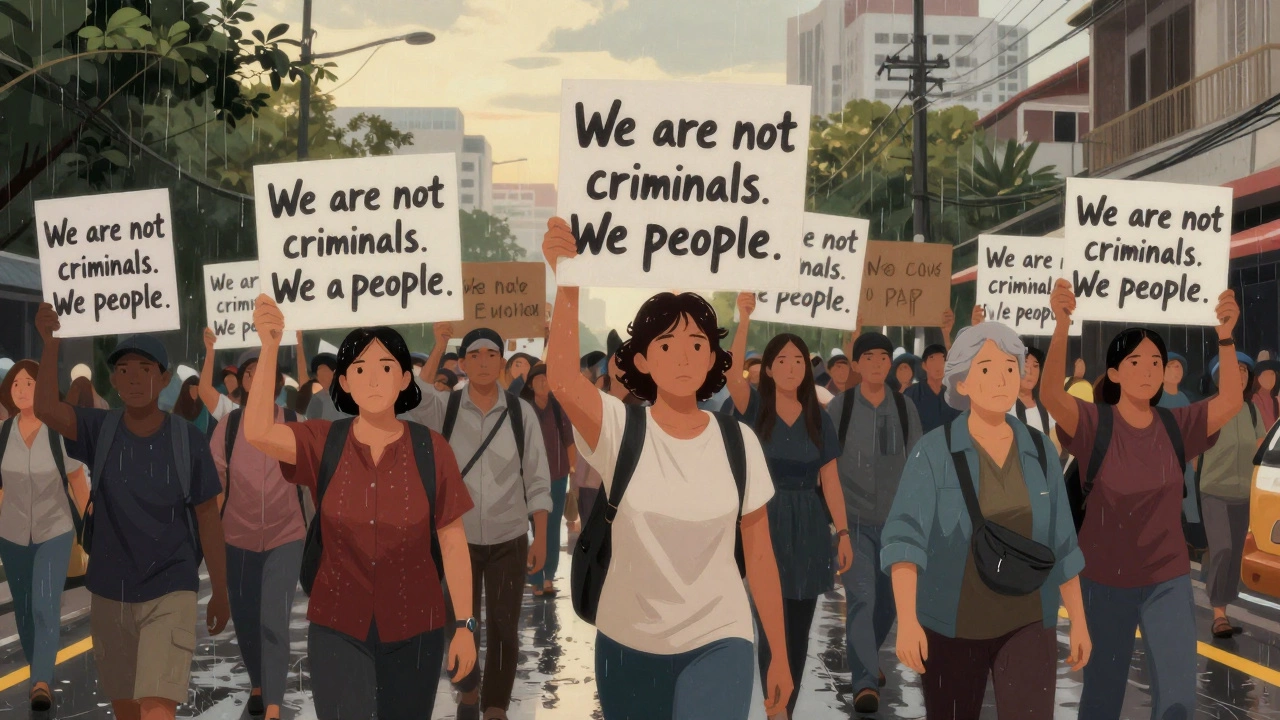
Meanwhile, in Manila, a group of sex workers organized a silent march. They held signs that read: "We are not criminals. We are people." In Brazil, a collective of transgender sex workers launched a legal aid hotline. In the U.S., three state legislatures introduced bills to decriminalize sex work, citing data from the World Health Organization that shows decriminalization reduces violence by 33%. The WHO doesn’t make recommendations lightly. They based it on studies in New Zealand, where sex work has been legal since 2003.
Why This Matters Outside the Spotlight
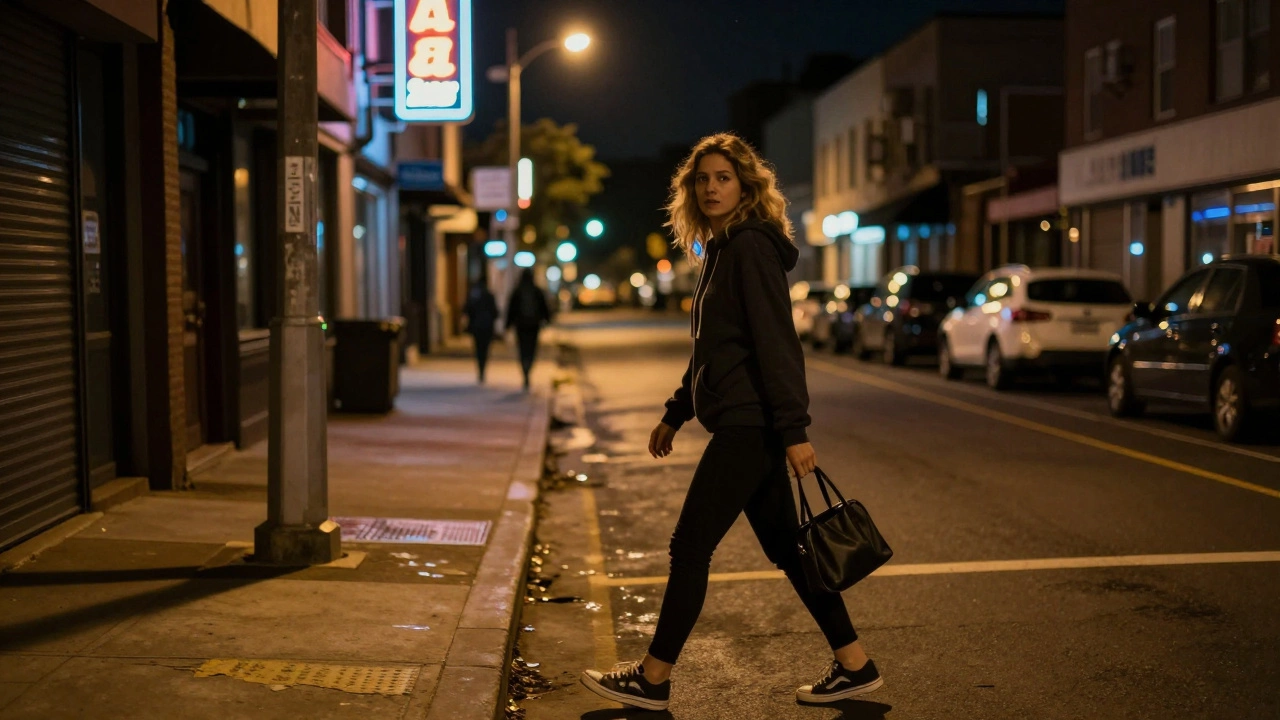
Most people think sex work is a problem for other cities-maybe Bangkok, maybe Rio, maybe even Dubai. But the truth is, it’s everywhere. In Perth, where I live, there are women who drive Ubers during the day and work at night. They don’t wear glitter or high heels. They wear hoodies and sneakers. They carry pepper spray. They don’t talk about it with their coworkers. They don’t post about it online. But they’re here.
And when laws criminalize sex work, it doesn’t disappear. It gets more dangerous. Police can’t protect people who are breaking the law. Landlords can evict them without cause. Banks can freeze their accounts. Hospitals can refuse treatment. When someone gets assaulted, they don’t call the cops-they delete their apps and move cities. That’s not justice. That’s neglect.
The Myth of "Sex in Dubai Legal"
Some travel blogs still claim "sex in dubai legal" as if it’s a hidden perk. It’s not. Dubai’s laws are clear: any exchange of sex for money is illegal under Article 357 of the UAE Penal Code. That includes everything from street solicitation to private appointments. Even consensual encounters between unmarried partners can lead to arrest. There are no safe zones. No red-light districts. No police oversight. Just fear.
People who sell sex here don’t have access to health screenings, legal advice, or even basic housing rights. Many are migrant workers from the Philippines, Ukraine, or Nigeria. Their visas are tied to employers. If they report abuse, they risk deportation. If they don’t, they risk being trapped. Some end up in detention centers for months, with no lawyer, no translation, no way out. This isn’t a tourist issue. It’s a human rights issue.
What’s Changing?
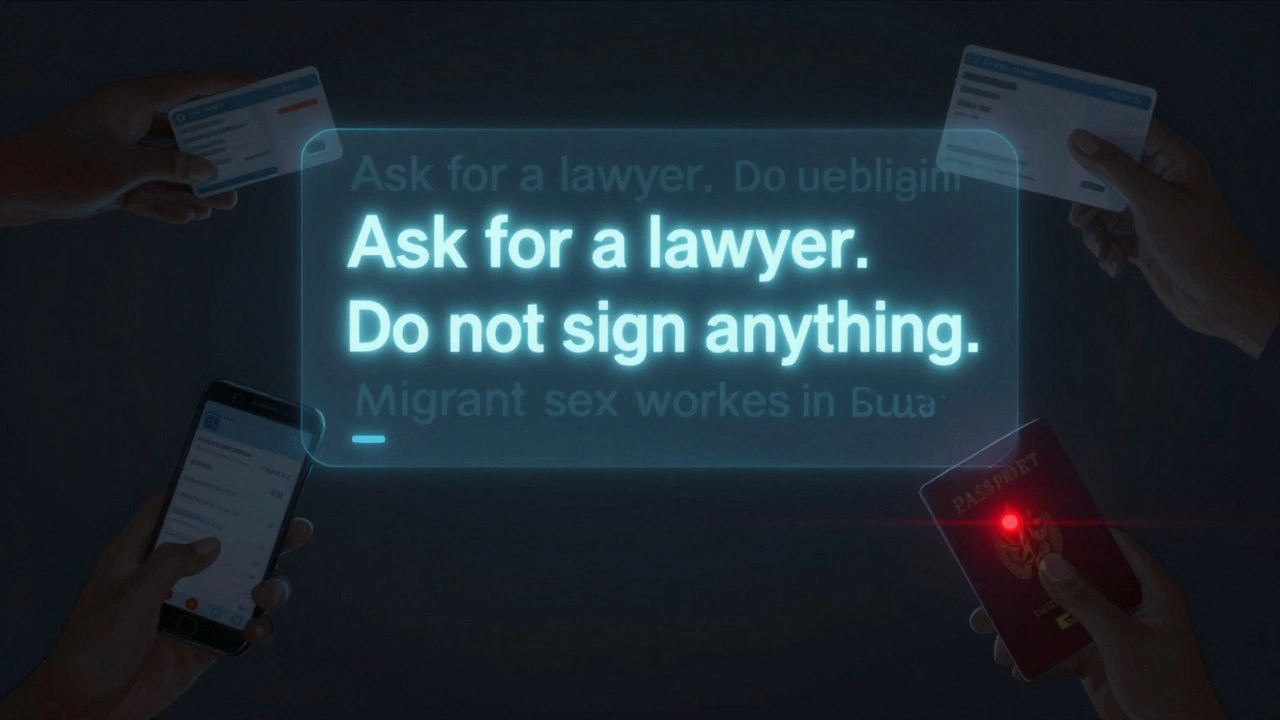
Slowly, things are shifting. In 2024, a group of former sex workers in Dubai started an underground newsletter. It’s not public. It’s shared via encrypted apps. It includes safe addresses, emergency contacts, and legal tips in five languages. One entry read: "If you’re arrested, say nothing. Ask for a lawyer. Do not sign anything. Do not admit to anything. Your silence is your only protection."
Organizations like the Global Network of Sex Work Projects are pushing for policy change. They’ve gathered testimonies from over 1,200 people in 38 countries. Their report, published in March, showed that in places where sex work is decriminalized, HIV rates dropped by 40%, and workplace violence fell by 58%. Those aren’t guesses. Those are numbers from peer-reviewed studies.
Meanwhile, celebrities who spoke up on May 13 are now funding legal defense funds. One actor donated $500,000 to a group helping migrant sex workers in the Middle East. Another started a podcast called "No One Asked Me," where people share their stories without filters. The podcast has over 2 million downloads. People are listening.
What You Can Do
You don’t need to march. You don’t need to post online. But you can stop believing the lies. Sex work isn’t a sin. It’s labor. And like any labor, it deserves protection-not punishment.
If you’re traveling to a place where sex work is criminalized, don’t assume it’s safe just because you didn’t see anything. Don’t assume the people you meet are "choosing" this life. Many are surviving. And if you’re in a position to support change-donate to a local sex worker collective, write to your representative, or just talk about it with someone who doesn’t know.
Because the next time someone says "hookers dubai," they’re not talking about a fantasy. They’re talking about real people. And those people are still here.
Why the Silence Is So Loud
Most of us never hear the full story because the people who live it are too scared to speak. They’re afraid of their families finding out. Afraid of losing their jobs. Afraid of being arrested. Afraid of being called names online. But silence doesn’t protect them. It just makes it easier for systems to keep hurting them.
When you see a news headline about a raid, or a viral post about "illegal activity," ask yourself: who’s being erased here? Who’s being painted as the villain so we don’t have to look at the real problem? The problem isn’t sex work. The problem is a legal system that refuses to see people as human.
On May 13, the world didn’t change. But for a few hours, people stopped pretending it was okay to look away.